Empty Shelves, Empty Towns: The Slow Collapse of Rural Groceries in North Carolina — and Kelly's Fight to Reverse It
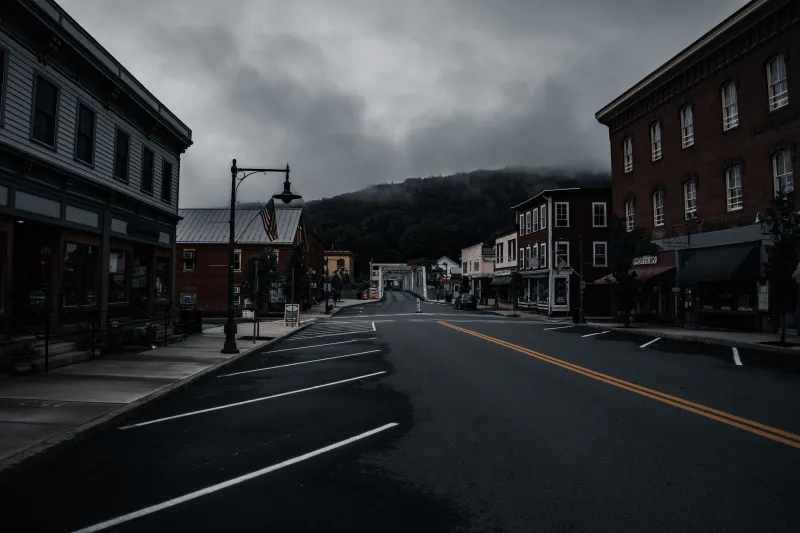
When the Doors Close, the Town Closes With Them
In towns across rural North Carolina, the question is no longer whether the local grocery store is struggling — it is whether it will still be open next year. From the Sandhills to the foothills, independent grocers that anchored Main Streets for generations are shutting down, one by one, and when they go, they take something more than a business with them. They take the town's ability to feed itself.
The numbers tell a sobering story. Tens of thousands of North Carolinians now live in areas the federal government classifies as food deserts — census tracts where residents must travel twenty minutes or more to reach a full-service supermarket. In eastern counties still recovering from hurricanes and manufacturing losses, the nearest fresh produce can be a forty-five-minute drive away. For seniors who no longer drive, for working parents juggling two jobs, for families without reliable transportation, that distance is not an inconvenience. It is a daily barrier between their households and a healthy meal.
A Health Crisis Disguised as a Business Story
It would be easy to file these closures under routine economic churn. That would be a mistake. When fresh food disappears from a community, diet-related illness follows. Rates of diabetes, hypertension, and heart disease climb in the very counties that can least afford the medical bills. Children in food-insecure households start school already behind. Emergency rooms become the de facto answer to problems that begin in an empty produce aisle.
The economic damage compounds just as quickly. A grocery store is rarely just a grocery store. It draws foot traffic that keeps the pharmacy, the hardware store, and the diner alive. It pays local taxes that fund schools and fire departments. When it closes, the building sits vacant, the payroll vanishes, and the tax base erodes. Main Street does not lose a merchant — it loses a heartbeat.
Why does this keep happening? The answer lies in a marketplace that no longer rewards the small and local. National chains with vast distribution networks can undercut an independent grocer's margins. Consolidated wholesalers charge rural stores more for delivery. Thin rural populations and aging buildings make the math brutal. And when a store fails, corporate buyers have little interest in stepping in — leaving a permanent void.
Kelly's Plan: Ownership, Infrastructure, and Local Connection
Kelly believes that access to affordable, nutritious food is not a luxury for those who happen to live near a suburban supercenter. It is a baseline requirement of economic justice — and state government has both the tools and the obligation to act.
First, fund community-owned grocery co-ops. Kelly will champion a rural grocery investment fund that provides low-interest capital, technical assistance, and startup support for towns to open and sustain grocery cooperatives owned by the residents they serve. In states across the country, from Kansas to Minnesota, co-ops have proven that communities can run their own stores profitably when given a fair start. North Carolina should lead the South in this movement.
Second, rebuild rural food distribution infrastructure. A store can only stock what it can affordably receive. Kelly's infrastructure agenda includes investment in regional cold-storage facilities, shared warehousing, and last-mile distribution networks that lower wholesale costs for small grocers — the same kind of systematic investment the state has long provided to highways and ports.
Third, connect local farms to local shelves. North Carolina's farmers grow an abundance of sweet potatoes, leafy greens, apples, and berries — much of it shipped out of state while rural families buy wilted produce trucked in from afar. Kelly will expand farm-to-store programs that link growers directly with independent grocers, school cafeterias, and food hubs, keeping food dollars circulating in the communities that earned them.
Justice for the Communities That Feed Us
There is a bitter irony in the fact that the people who grow America's food often cannot buy it fresh in their own hometowns. Kelly rejects the idea that some zip codes are simply destined for decline. The same spirit of resilience that rebuilt eastern towns after the storms can rebuild their Main Streets — if Raleigh finally invests in them.
A town with a grocery store is a town with a future. Children can walk to school past a bustling storefront instead of a boarded window. Seniors can shop without arranging a ride across three counties. Farmers can sell what they grow to neighbors who need it. That future is within reach — but only if we choose it.
Kelly is asking North Carolinians to make that choice together: to treat food access as the economic justice issue it is, to fund the cooperatives and infrastructure that keep rural communities alive, and to ensure that no family in this state is ever left without a place to buy a fresh meal. The last small-town grocery store does not have to be the last. With the right plan, it can be the first of many to come back.