Left Behind by the Economy: Kelly's Plan to Connect North Carolina Workers With the Careers of Tomorrow
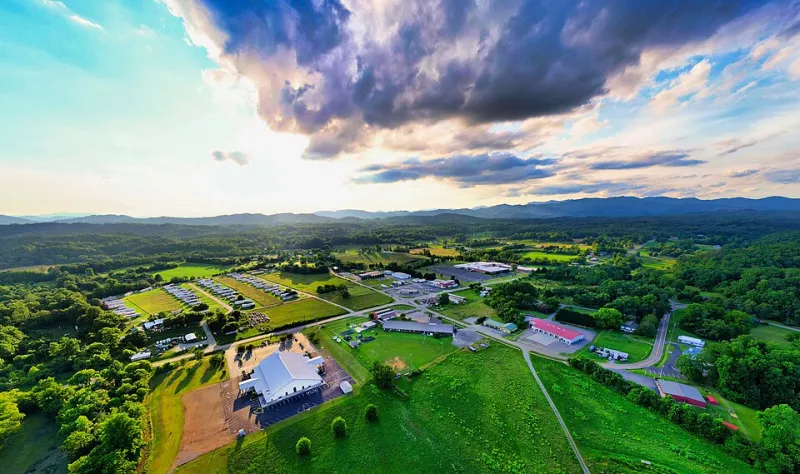
Photo: Harrison Keely, CC BY 4.0, via Wikimedia Commons
Darrell spent eleven years working the floor of a furniture plant in Conover. When the facility downsized, he walked out with a handshake, a modest severance check, and the quiet understanding that the job he had built his life around was not coming back. He enrolled in the state's workforce retraining program, sat through weeks of outdated coursework, and emerged with a certificate that employers in his region had little interest in. Today, he stocks shelves at a big-box retailer for $13 an hour.
Darrell's story is not an outlier. It is the rule.
North Carolina is in the grip of a workforce crisis that rarely makes the front page but quietly shapes the lives of hundreds of thousands of families from Asheville to Wilmington. The skills gap — the widening distance between what employers need and what workers are currently trained to do — has left a significant portion of the state's labor force underemployed, underpaid, and increasingly discouraged. Kelly believes this is not an accident. It is the predictable result of decades of underinvestment in the institutions and programs that working people depend on to get ahead.
The Gap Between What Exists and What Is Needed
North Carolina's economy is undergoing a profound transformation. The clean energy sector is expanding rapidly, with solar installations and offshore wind projects creating thousands of new technical positions along the coast and in the Piedmont. Advanced manufacturing facilities — many drawn by the state's relatively affordable land and growing infrastructure — are hiring for roles that require precision skills, computer-aided design proficiency, and industrial automation knowledge. The healthcare industry, already the state's largest employer in many counties, continues to face critical shortages of licensed practical nurses, medical technicians, and behavioral health specialists.
These are not theoretical jobs. They are open positions, right now, paying wages that can genuinely support a family — often between $45,000 and $75,000 annually with benefits. And yet, the pipeline of qualified workers to fill them remains dangerously thin.
The reason, according to workforce analysts and community college administrators across the state, is structural. Many of North Carolina's existing job training programs were designed for an economy that no longer exists. Curriculum updates lag behind industry needs by years. Funding formulas reward enrollment numbers rather than employment outcomes. And too often, the workers most in need of retraining — those without reliable transportation, those working multiple jobs, those caring for children or aging parents — cannot access programs that operate only during traditional daytime hours.
Kelly's Framework: Training That Meets Workers Where They Are
Kelly's workforce development plan centers on a straightforward premise: if the state wants workers to succeed, it must invest in systems that are actually designed for their success — not systems designed for bureaucratic convenience.
The centerpiece of Kelly's proposal is a statewide apprenticeship expansion initiative built on direct partnerships between North Carolina's community college system and regional employers in high-demand sectors. Rather than asking workers to complete generic training programs and hope for the best, this model places apprentices in paid, on-the-job learning environments from day one, with structured classroom instruction built around the specific technical requirements of participating companies.
For the renewable energy sector, this means partnerships with solar installation firms and wind energy developers to train electricians, turbine technicians, and project coordinators — workers who can earn competitive wages while completing their credentials. For advanced manufacturing, it means collaboration with facilities that have already signaled their intention to expand in North Carolina, ensuring that the curriculum workers study today reflects the machines they will operate tomorrow.
Kelly also proposes significant investment in flexible scheduling and wraparound support services. Evening and weekend cohorts, online hybrid instruction, and on-site childcare partnerships with participating community colleges would remove the logistical barriers that currently prevent working adults from completing programs they have every motivation to pursue. A dedicated emergency support fund — modeled on successful pilot programs in other states — would provide short-term financial assistance to workers in transition so that an unexpected car repair or utility bill does not derail months of progress.
Listening to the Workers Themselves
In conversations held across the state — in union halls in Gastonia, at community centers in Rocky Mount, and at workforce offices in Fayetteville — Kelly has made a point of listening before speaking. What workers describe is a system that frequently feels designed to process them rather than empower them.
Maria, a certified nursing assistant in Robeson County, has wanted to advance to a licensed practical nurse role for three years. The program she needs is offered at her local community college, but the clinical hours required conflict with her current work schedule, and she cannot afford to reduce her hours without losing her apartment. "I know I can do this work," she said. "I just need someone to make it possible."
Kelly's plan would make it possible. By requiring that any employer participating in state-subsidized apprenticeship programs offer scheduling flexibility and by expanding the number of evening clinical placements available at regional hospitals and care facilities, the pathway Maria needs would finally exist.
A Return on Investment the State Cannot Afford to Ignore
Critics of ambitious workforce initiatives often raise the question of cost. Kelly's answer is direct: the cost of inaction is already being paid — in depressed tax revenues, in strained social services, in communities where the local economy has slowly hollowed out because workers cannot earn enough to spend locally.
Research consistently demonstrates that every dollar invested in high-quality job training programs returns multiple dollars to the broader economy through increased wages, reduced reliance on public assistance, and higher consumer spending. States that have made serious commitments to sector-based apprenticeship models — including Colorado, Washington, and South Carolina — have seen measurable reductions in skills-gap-related hiring shortfalls within three to five years.
North Carolina has the community college infrastructure, the employer interest, and the workforce talent to replicate and exceed those results. What it has lacked is the political will to invest at the scale the moment demands.
Kelly intends to provide that will.
The Dignity of Work Requires the Opportunity to Grow
At its core, this is a question of dignity. North Carolinians are not asking for handouts. They are asking for a fair chance — for training programs that reflect the actual demands of the labor market, for schedules that acknowledge the complexity of adult lives, and for a state government that treats workforce development as a genuine economic priority rather than a talking point.
Darrell, Maria, and the hundreds of thousands of workers like them across this state have already demonstrated their resilience. Kelly's commitment is to build a system worthy of it.