The Medicine Cabinet Crisis: How Skyrocketing Drug Prices Are Pushing North Carolina Families to the Breaking Point — and Kelly's Plan to Fix It
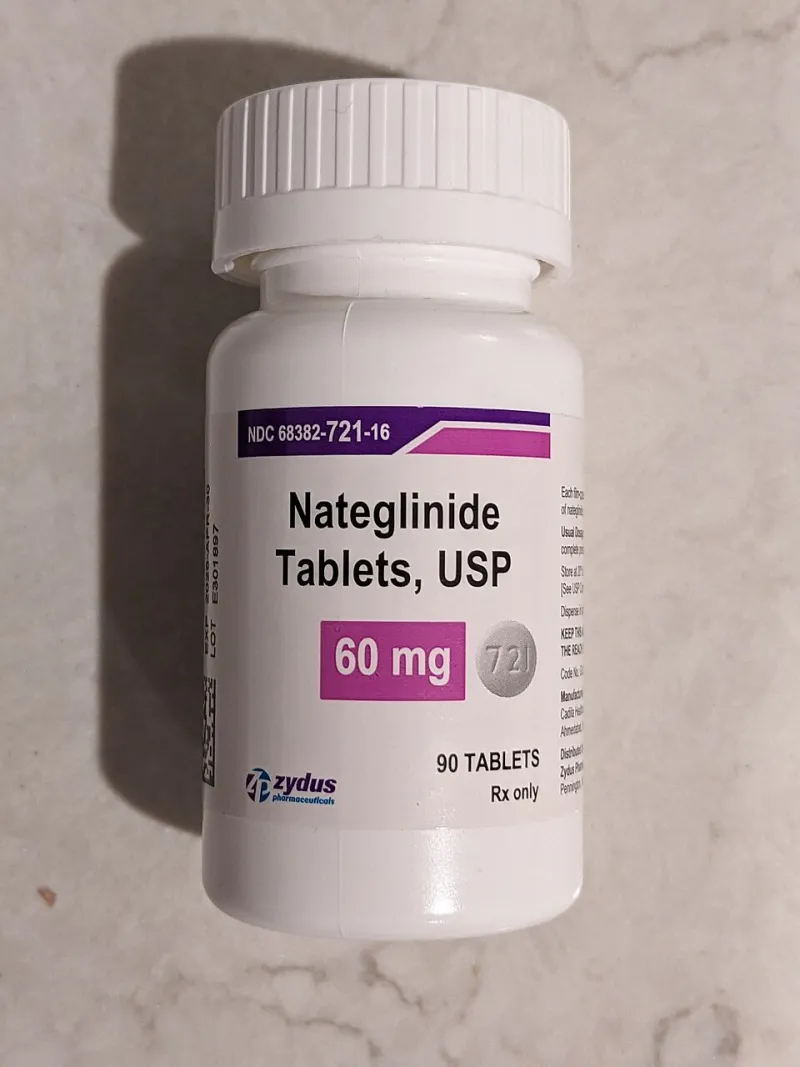
Photo: Grendelkhan, CC BY-SA 4.0, via Wikimedia Commons
Somewhere in Forsyth County, a retired schoolteacher is cutting her blood pressure pills in half. Not because her doctor told her to — but because the alternative is choosing between her medication and her electric bill. In Robeson County, a father of three has stopped refilling his insulin prescription on schedule, quietly rationing doses and hoping the math works out before his next paycheck arrives. These are not edge cases. These are the everyday realities that tens of thousands of North Carolina families navigate in silence, month after month, year after year.
The cost of prescription drugs in the United States has reached levels that can only be described as unconscionable. North Carolina is not immune to this crisis — in fact, residents of our state face some of the steepest out-of-pocket costs in the nation, particularly those without comprehensive insurance coverage or those whose plans carry high deductibles. For many families, a single chronic condition requiring ongoing medication can consume hundreds or even thousands of dollars per month. When prescriptions routinely cost more than rent, something has gone profoundly wrong.
A Crisis Hidden in Plain Sight
The pharmaceutical pricing crisis does not announce itself dramatically. It unfolds quietly, in pharmacies across Asheville and Fayetteville, in urgent care waiting rooms in Greenville, in the anxious calculations families make at kitchen tables in Hickory and High Point. According to national health surveys, nearly one in four Americans reports difficulty affording their medications — and among lower-income households, that figure climbs significantly higher.
In North Carolina, the consequences are particularly acute for several overlapping populations. Rural communities, where access to healthcare providers is already strained, often bear the added burden of limited pharmacy options and fewer generic alternatives. Seniors living on fixed incomes find that even Medicare coverage leaves substantial gaps. Uninsured and underinsured workers — many of them in the service industries, agriculture, and manufacturing sectors that form the backbone of our state's economy — are frequently forced to choose between treatment and survival in the most literal sense.
What makes this crisis especially difficult to endure is how preventable it is. The United States pays dramatically more for the same brand-name drugs than peer nations with comparable standards of living. A vial of insulin that costs a patient $300 in North Carolina may cost less than $30 in Canada. An asthma inhaler that runs $400 here can be purchased for a fraction of that price in Germany. These disparities are not the result of superior American quality or innovation — they are the result of a regulatory environment that has, for decades, prioritized pharmaceutical industry profits over patient welfare.
The Systemic Machinery Behind the Price Tags
Understanding why drug prices are so high requires confronting the layered machinery that sustains them. Pharmaceutical manufacturers set initial list prices with limited federal oversight. Pharmacy benefit managers — the largely invisible middlemen who negotiate between insurers and drug makers — extract fees that further inflate costs without adding meaningful value to patients. Patent protections, often extended through minor reformulations of existing drugs, delay the arrival of affordable generics by years or even decades. And unlike virtually every other developed nation, the federal government has historically been prohibited from directly negotiating drug prices on behalf of Medicare recipients — a policy that has cost American patients and taxpayers trillions of dollars over time.
North Carolina families have been left to absorb these costs with inadequate protection. While recent federal legislation has taken modest steps toward allowing some Medicare drug price negotiation, the scope remains narrow and the implementation slow. State-level action has lagged even further. The result is a system that functions exceptionally well for shareholders and executives — and exceptionally poorly for the people it is supposed to serve.
What Kelly Will Fight For
Kelly's healthcare platform addresses the prescription drug crisis with the directness and urgency it demands. Rather than offering incremental adjustments at the margins, Kelly is committed to structural reforms that genuinely alter the balance of power between patients and the pharmaceutical industry.
Aggressive Price Transparency Requirements. Kelly will push for legislation requiring pharmaceutical manufacturers to publicly disclose the actual cost of producing their drugs, including research and development expenditures. When families understand that a medication costing them $400 per month was manufactured for pennies on the dollar, the moral argument for current pricing structures collapses. Transparency is not a solution in itself, but it is an essential foundation for accountability.
State-Level Drug Price Negotiation Authority. Kelly will advocate for North Carolina to establish a state pharmaceutical purchasing authority empowered to negotiate directly with drug makers on behalf of state employees, Medicaid recipients, and uninsured residents. States that have pursued similar models have achieved meaningful savings. North Carolina can and should do the same.
Expanded Access to Generic and Biosimilar Medications. Kelly supports aggressive measures to close patent loopholes that artificially delay generic competition, and will champion policies that accelerate the availability of biosimilar alternatives to expensive biologic drugs. Greater competition means lower prices — and lower prices mean families can actually afford the treatments their doctors prescribe.
Prescription Drug Importation Pathways. Kelly supports safe, regulated importation programs that allow North Carolinians to access medications from licensed Canadian pharmacies at a fraction of domestic costs. Several states have already moved in this direction. Kelly will ensure North Carolina is not left behind.
Protecting Medicaid Expansion and Strengthening Its Reach. North Carolina's recent Medicaid expansion was a hard-won achievement. Kelly is committed not only to defending that expansion but to building upon it — ensuring that the Medicaid program provides robust prescription drug coverage with minimal cost-sharing burdens for enrollees.
The Moral Dimension of This Fight
At its core, the prescription drug crisis is not merely a policy problem. It is a moral failure. When a society permits the cost of insulin — a medication whose underlying formula has existed for over a century — to rise so high that diabetics die rationing their doses, that society has made a choice. When a cancer patient must launch a crowdfunding campaign to afford chemotherapy, that reflects a set of priorities that Kelly flatly rejects.
Every North Carolinian deserves access to the medications that keep them alive, functional, and able to participate fully in their families and communities. That is not a radical position. It is the baseline expectation of a just and functioning society. Kelly believes that fighting for affordable prescriptions is inseparable from fighting for the dignity and wellbeing of every person in this state — from the mountains of Cherokee County to the barrier islands of the Outer Banks.
A Campaign Built on Real Stakes
The families rationing medications, the seniors skipping refills, the workers going into medical debt for drugs that cost a fraction of their price elsewhere — these are the North Carolinians Kelly is running to represent. Their struggles are not abstractions in a policy white paper. They are the reason this campaign exists.
Kelly's commitment is straightforward: no North Carolinian should ever have to choose between medicine and rent. That commitment will drive every legislative fight, every negotiation, and every vote that Kelly casts in office. The pharmaceutical industry has had its way for too long. It is time for North Carolina families to have theirs.