One Hundred Counties, One Promise: Inside the Listening Tour That's Rebuilding Trust in North Carolina Politics
There is a particular kind of quiet in a small-town diner at seven in the morning. The coffee is hot, the regulars have claimed their seats, and conversations happen in low voices. It is exactly the kind of place where political consultants tell candidates to stage a photo op — grab a biscuit, shake a few hands, and move on to the next stop.
Kelly is doing something different.
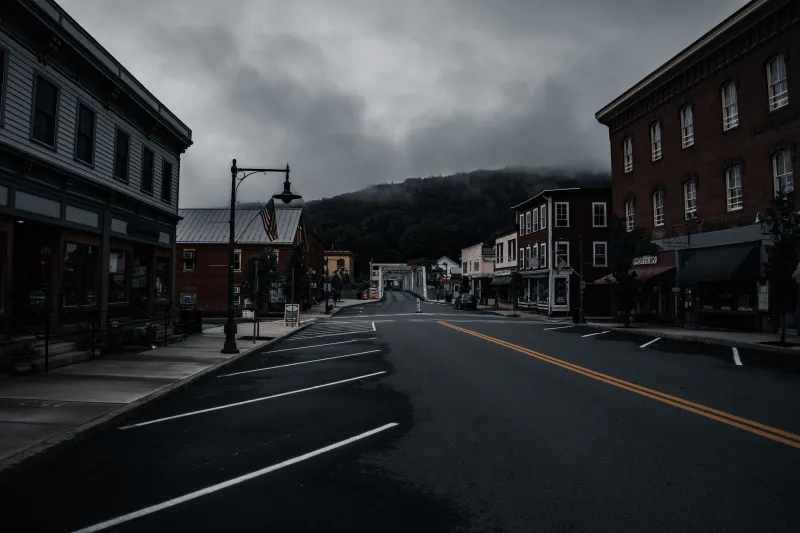
Over the course of this campaign, Kelly has committed to visiting all 100 of North Carolina's counties. Not the ten media markets. Not the handful of swing counties that dominate the cable news maps. All one hundred — from Haywood to Hyde, from Mecklenburg to Martin. And the rule is simple: before talking, listen.
The Playbook Nobody Wrote
Modern campaigns are built on data. Precinct targeting models, digital ad algorithms, turnout projections. All of it has its place. But somewhere along the way, campaigns stopped treating voters as neighbors and started treating them as demographic segments.
Kelly's listening tour is a deliberate rejection of that approach. In each county, the schedule looks less like a rally and more like a conversation. A booth at the Waffle House in Morganton. A folding chair in a church basement in Kinston. A workshop in an Asheboro manufacturing plant. A porch in a neighborhood in Wilmington where the talk turns to flood insurance and rising premiums.
No scripts. No teleprompters. Just questions: What's keeping you up at night? What has your state government promised you — and where has it fallen short?
What North Carolinians Are Actually Saying
The tour has already produced a portrait of the state that no poll can fully capture.
In the western counties, the conversation keeps returning to healthcare. A retired schoolteacher in Sylva described driving forty-five minutes to reach the nearest hospital that delivers babies. A small business owner in Canton talked about watching premiums climb while coverage narrowed.
In the rural east, the theme is economic survival. Farmers and shopkeepers describe main streets hollowing out, young people leaving for Charlotte and the Triangle because the careers they trained for simply don't exist back home. In Robeson County, a church group spoke about the cost of utilities and groceries in the same breath — because for working families, there is no separating them.
In the cities and suburbs, the concerns sharpen into questions of fairness: wages that haven't kept pace with rents, classrooms that have lost experienced teachers year after year, and a growing sense that the people writing the rules in Raleigh have stopped writing them for ordinary people.
Different counties, different dialects, same underlying message: Nobody in power has asked us in a long time.
Listening as a Form of Democracy
It would be easy to dismiss a listening tour as campaign theater. But consider what it actually represents. When a candidate sits in a church basement in Edgecombe County and takes notes, that community becomes part of the platform, not just part of the turnout math.
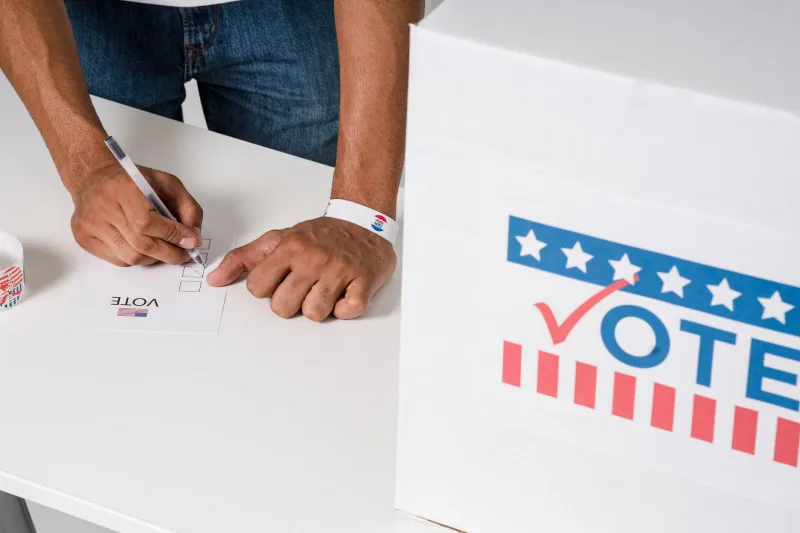
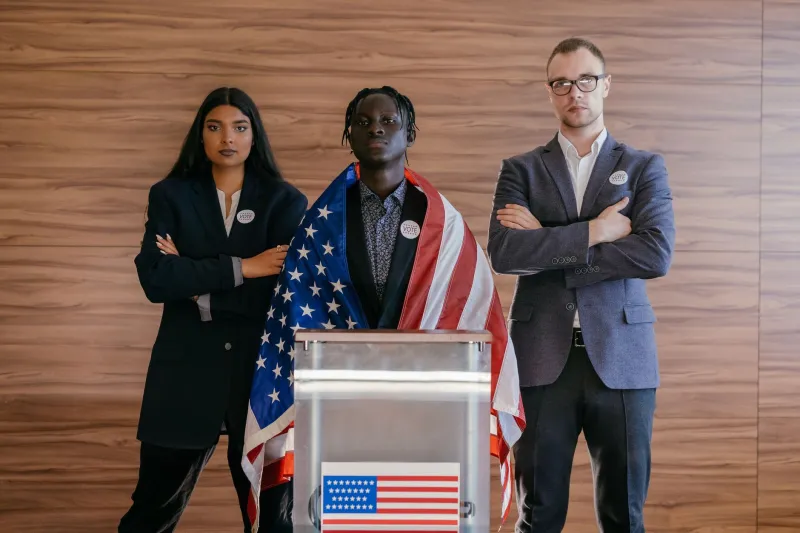
That matters for voting rights, too. Trust in elections erodes fastest where people feel their votes change nothing. The antidote is not another ad — it's proof that participation produces results. A campaign that travels to all 100 counties is making a promise: your voice reaches Raleigh whether you live on a Charlotte high-rise floor or a farm road in Perquimans County.
Every story collected on the tour feeds directly into the platform. The rural healthcare gaps heard in the mountains shaped Kelly's access plan. The wage concerns voiced in factory towns shaped the economic agenda. The frustration of teachers, caregivers, and small business owners appears in the policy pages — often in their own words.
The Long Road Ahead
There are still counties left to visit, and Kelly intends to reach every one of them before Election Day. The pace is grueling. The staff calls it "the porch strategy" — one conversation at a time, one community at a time, until the whole state has been heard.
It is slower than a media buy. It is less efficient than a robocall. But it is the only method of campaigning that leaves both sides changed. Voters meet a candidate who answers to them; the candidate carries their stories into every policy decision that follows.
North Carolinians have been told for years that politics is something done to them. Kelly's answer is to pull up a chair, open a notebook, and prove otherwise — 100 counties at a time.
The tour continues. The listening doesn't stop on Election Day. That's the promise.